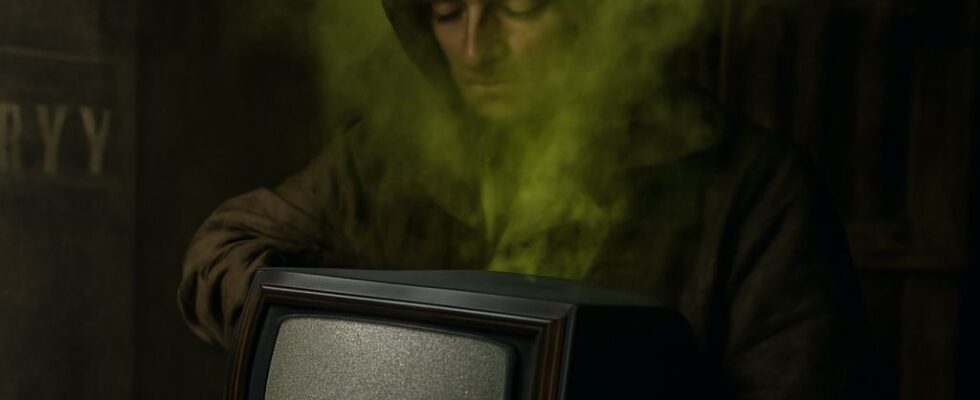
The best indie horror games turn limited resources, awkward interfaces, and carefully controlled uncertainty into distinct kinds of fear. Start with Signalis for psychological survival horror, Darkwood for systems-driven dread, Monstrum for pursuit, or Iron Lung for a compact experimental shock.
Choose an indie horror game by the interaction you want to repeat: solve environmental puzzles, manage an inventory, investigate a hostile space, or simply endure an escalating situation. The recommendations below include platforms, approximate play length, and the player each game suits best.
Best Indie Horror Games For Psychological Dread—Signalis, Mouthwashing, And Detention
Signalis — PC, PlayStation, Xbox, Switch; 10–12 hours. You explore an abandoned facility, solve layered environmental puzzles, and manage a deliberately cramped inventory while deciding which ammunition and healing items are worth carrying. Its dominant fear is psychological: isolation, repetition, corrupted memory, and body horror gradually make ordinary rooms feel unreliable. Pick it if you want a substantial story-led campaign with classic survival-horror structure and dense atmosphere rather than constant attacks.
Mouthwashing — PC; 4–6 hours. This first-person narrative horror game has you investigate a doomed spacecraft through fragmented perspectives, environmental details, and increasingly disturbing character encounters. The central interaction is interpretation: reconstruct what happened while the game withholds stable context. Its grotesque imagery, unreliable narration, and sudden shifts in tone create the fear profile. It suits players who prefer an intense, linear experience and can handle upsetting themes over a single evening.
Detention — PC, PlayStation 4, Xbox One, Switch; 3–5 hours. Its side-scrolling exploration uses item puzzles, locked rooms, and stealthy movement to place supernatural folklore alongside Taiwan’s White Terror period. Ghosts and visual transformations provide the immediate scares, but political repression and guilt supply the deeper dread. Choose it for a short, story-focused game where historical context matters as much as the monsters, and where careful observation is more important than combat skill.
What Indie Horror Games Do Especially Well—Fear Profiles, Mechanics, And Scope
Indie horror games often make one interaction carry the entire mood. In psychological horror, reading notes, revisiting locations, or managing contradictory information makes the player question the story. Survival horror creates tension through scarcity: every missed item, wasted bullet, or risky detour affects the next encounter. Pursuit horror removes that safety valve, turning doors, hiding places, and routes into decisions made under pressure.
Scope matters as much as style. A 10-hour game can build a world and let its mechanics evolve, while a 60-minute experiment can preserve one unnerving idea without explaining it away. Analog visuals, low-resolution character models, and distorted audio are effective when they restrict information—not simply because they look old. For horror indie games, the strongest match is usually the one whose main mechanic creates the fear you want: planning for survival, interpreting ambiguity, or reacting before you understand the threat.
Survival And Pursuit: Pick An Indie Horror Game—Darkwood, Crow Country, And Monstrum
Darkwood — PC, PlayStation, Xbox, Switch; 15–25 hours. By day, you scavenge a hostile top-down world, craft equipment, and prepare a safehouse. At night, you barricade doors, set traps, and listen for movement outside your limited field of view. The game’s dominant scare method is anticipation: sound, darkness, and incomplete knowledge make the night phase oppressive even before anything reaches you. It is ideal for patient players who enjoy harsh resource systems, exploration, and consequences that persist beyond individual encounters.
Crow Country — PC, PlayStation, Xbox, Switch; 5–7 hours. This fixed-camera survival horror game sends you through an abandoned amusement park filled with keys, environmental puzzles, optional rooms, and carefully placed enemies. Its retro PlayStation-style presentation creates unease through visual distance and awkward sightlines, while ammunition and backtracking supply the survival pressure. Choose it if you want the polish and puzzle rhythm of classic survival horror in a compact package, with enough optional detail to reward thorough exploration.
Monstrum — PC, PlayStation, Xbox, Switch; roughly 30–90 minutes per attempt. You search a procedurally arranged cargo ship for tools and an escape route while one of several monsters hunts you. Hiding, distracting the creature, and choosing when to run are the central interactions; death sends you back to a new attempt. Pursuit is the entire scare profile, supported by unpredictable routes and permanent failure. It suits replay-oriented players who like emergent chases, improvisation, and learning a dangerous space through repeated escapes.
Short Experimental Horror: Horror Indie Games For One-Session Unease—Iron Lung, Paratopic, And World Of Horror
Iron Lung — PC, Switch; 1–2 hours. You pilot a tiny submarine across an ocean of blood, navigating with sparse coordinates, instruments, and photographs rather than a conventional view outside the vessel. The central interaction is precise, anxious operation under severe information limits. Audio cues and the unseen environment do most of the frightening work. It is a strong choice for players who want concentrated cosmic horror, minimal combat, and an experience that can be finished in one sitting.
Paratopic — PC; about 1–2 hours. This fragmented first-person game moves between driving, conversations, strange errands, and unsettling visual vignettes. Its deliberately degraded analog presentation makes every scene feel like damaged footage, while abrupt transitions and unexplained encounters create the scares. There is little conventional progression to master; the interaction is moving through a hostile-feeling sequence and assembling its meaning afterward. Pick it for surreal, experimental horror that values mood and ambiguity over objectives or replayable systems.
World of Horror — PC, PlayStation, Xbox, Switch; 1–3 hours per run. Turn-based investigations combine case selection, item management, combat, and risky decisions as you explore a pixel-art world inspired by cosmic and Japanese horror. The dominant fear comes from accumulating consequences: injuries, doomed allies, limited resources, and encounters that can derail a run. Its replayable structure suits players who want short sessions with different mysteries, retro aesthetics, and strategy alongside their horror.