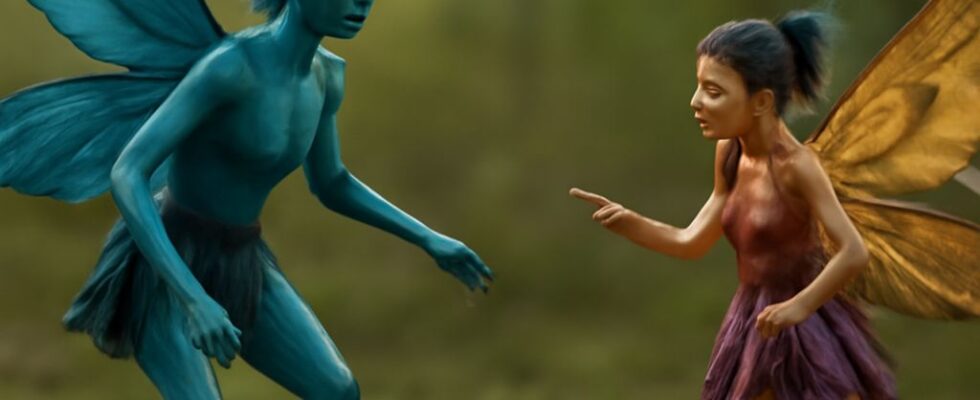
Can you play a pixie in D&D fifth edition? The 2014 Monster Manual presents a pixie as a monster, while The Wild Beyond the Witchlight offers an official fairy character option. Choose the fairy for a playable character with a pixie-like appearance, or discuss a custom option with your Dungeon Master (DM).
Pixie DnD Lore and the 2014 Monster
A pixie is a Tiny fey creature associated with the Feywild and its magic. In a D&D adventure, a pixie might guide lost travelers, hide from intruders, or present a puzzle before agreeing to help. Those are encounter ideas for the DM; an individual pixie can have its own motives.
The following details refer to the pixie in the 2014 Monster Manual, page 253, not the later monster revision. The stat block is a set of game statistics for the DM to run a creature. For the pixie, 5e gives the DM these abilities for an encounter:
- Small body, quick flight: It is Tiny, walks 10 feet, and flies 30 feet. Its Armor Class is 15, but it has just 1 hit point.
- Magic resistance: It has advantage on saving throws against spells and other magical effects.
- Innate spells: It can cast druidcraft at will and several other spells once per day each, including polymorph and sleep.
- Superior Invisibility: As an action, it can become invisible and maintain that state through concentration, up to one hour or until it ends the effect.
The pixie uses Sylvan, so the party may need a shared language or another way to communicate. A creature this fragile has reason to avoid a direct fight. D&D Beyond’s 2021 overview suggests using pixies in encounters beyond combat.
What Its Magic Means at the Table
For a pixie, DnD offers ways to affect a scene without dealing damage. An invisible scout might watch the party approach, then appear to negotiate. A pixie in fifth edition using polymorph can change a creature’s form under that spell’s rules; the target and the available forms still matter. Read the spell description and track its concentration and duration rather than treating it as a permanent transformation.
For this fifth-edition pixie, once per day each means each listed spell has its own daily use. Keep a note for the spells the creature casts. This D&D pixie also needs concentration for some effects, so it cannot maintain two concentration effects at once. For example, casting a concentration spell ends its concentrated invisibility.
Monster or Player Character?
The monster’s statistics do not automatically become player-character traits. Its single hit point, unusual spell list, and invisibility are designed for a creature the DM runs, not a complete character progression. If your group uses the 2014-era game, the fairy player race in The Wild Beyond the Witchlight is a practical alternative.
That fairy is Small, has flight, and gains its own magic as described in its player rules. It cannot use its flight while wearing medium or heavy armor. You can describe your fairy as pixie-like in appearance and personality while using the fairy’s actual traits. You do not automatically get the monster’s polymorph or Superior Invisibility.
If you want a truly Tiny character or the monster’s particular magic, ask the DM about homebrew: rules created or adapted for your table. For a pixie 5e race created for your table, agree on size, flight, spell uses, and how the character advances before the first session. Test those choices alongside the rest of the party and be ready to revise them together.
For a straightforward pixie-style 5e character, choose the official fairy and give them a personal reason to adventure. For a DM planning a mysterious forest encounter in D&D, the pixie stat block from 2014 is a ready reference. Choose homebrew when everyone wants to explore a custom version and agrees on its rules.