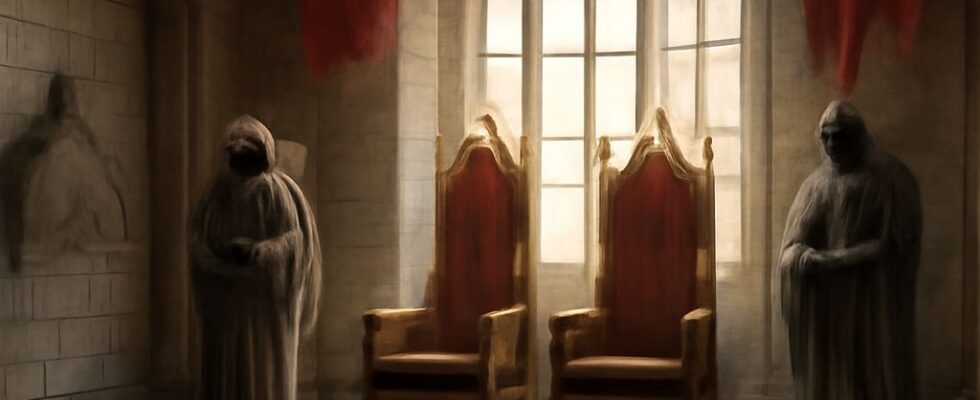
Escape rooms have become a global phenomenon, with each game offering a unique story, setting, and challenge. The central element that shapes a player’s experience is the escape room theme: the narrative framework and environment that immerses participants in puzzles, teamwork, and suspense. Whether you’re seeking a pulse-pounding thriller or a lighthearted mystery, understanding the variety of escape room themes can help you choose the perfect adventure for your group.
Below, we break down the most popular escape room themes, explain their defining features, and offer inspiration for players and creators alike.
What Are Escape Room Themes?
Escape room themes refer to the distinct storylines and settings that form the backdrop for the puzzles, props, and missions players encounter during their experience. These themes not only provide context for the tasks at hand, but also drive the visual design, soundtrack, and even the types of challenges presented. By selecting a strong theme, designers create immersive worlds where players adopt roles—like detectives, explorers, or survivors—and work together to solve mysteries or complete objectives.
The choice of escape room themes often reflects popular culture, historical eras, or universal narratives such as good versus evil. Themes can also vary in intensity, from family-friendly adventures to terrifying horror rooms. Ultimately, the success of an escape room often hinges on how convincingly the theme is brought to life, ensuring players feel fully transported into the story.
Most escape room venues offer a menu of themes to suit different tastes and group dynamics. Whether you crave suspense, laughs, or intellectual intrigue, there is a theme for every player.
Classic Mystery and Detective Themes
Mystery and detective settings are among the most enduring and beloved escape room themes. These rooms typically put players in the role of private investigators, police detectives, or amateur sleuths, tasked with cracking a case before time runs out. The narrative often involves a crime scene, missing person, or elaborate heist, with clues hidden in plain sight and red herrings to add complexity.
Notable examples include “Murder at the Manor,” where you must identify the culprit in a classic whodunit, and “The Art Heist,” which challenges teams to outsmart security systems and recover stolen treasures. These escape room themes excel at engaging puzzle solvers who love piecing together evidence, analyzing motives, and thinking like a detective.
Detective-themed rooms often feature intricate locks, cipher puzzles, and hidden compartments that mimic the investigative process. To succeed, players must collaborate on decoding messages, tracing suspects’ footsteps, and connecting disparate clues. The timeless appeal of mystery themes lies in their combination of suspense and logic, delivering a satisfying payoff when the case is finally cracked.
Adventure and Exploration Experiences
Adventure escape room themes transport participants into worlds of action, danger, and discovery. Inspired by blockbuster films and classic literature, these rooms immerse players in exotic settings such as ancient temples, pirate ships, or mysterious islands. The focus is on exploration, teamwork, and overcoming obstacles that stand between your team and a coveted prize or a dramatic escape.
Popular adventure rooms might include “Lost Jungle Expedition,” where players hunt for a lost artifact amid booby traps and shifting walls, or “Space Station Rescue,” a sci-fi setting in which you must repair a failing spacecraft to return home safely. These escape room themes are well-suited for groups who enjoy hands-on challenges, physical puzzles, and interactive storytelling that makes you feel like the hero of your own movie.
Adventure rooms often use creative props, multi-stage puzzles, and atmospheric effects to ramp up excitement. These themes emphasize collaboration, quick thinking, and agility—perfect for families, friends, or corporate teams looking to bond while navigating thrilling scenarios.
Horror, Thriller, and Supernatural Settings
For players seeking an adrenaline rush, horror and thriller escape room themes deliver scares, suspense, and heart-pounding challenges. These rooms immerse participants in settings inspired by haunted houses, abandoned asylums, or paranormal investigations. The narrative often involves escaping from a menacing presence, solving a disturbing mystery, or surviving supernatural dangers.
Examples of chilling escape room themes include “The Haunted Laboratory,” where ghostly phenomena disrupt your mission, and “Zombie Outbreak,” which tasks you with finding the cure before the undead breach your defenses. Horror rooms may incorporate live actors, jump scares, and immersive soundscapes to heighten tension and create an unforgettable experience.
While not for the faint of heart, these rooms appeal to groups looking for a truly immersive escape—facing fears, racing against time, and celebrating victory together. Puzzles in horror settings tend to be atmospheric and tactile, requiring players to search in the dark, interpret unsettling clues, or piece together the truth from eerie surroundings.
Historical and Fantasy-Based Rooms
Historical and fantasy escape room themes invite players to step into other worlds and eras, blending real-world events with imaginative storytelling. Historical rooms might transport you to ancient Rome, World War II bunkers, or the roaring twenties, challenging teams to solve period-appropriate puzzles and unravel secrets hidden by time.
Fantasy escape room themes, by contrast, open the door to magical realms, enchanted castles, and epic quests. Teams might be called upon to recover a lost wizard’s staff, break a mythical curse, or negotiate peace between warring kingdoms. These rooms allow for creative prop design, innovative puzzles, and stunning visual effects that make the experience feel cinematic.
Historical and fantasy themes often appeal to groups with an interest in lore, storytelling, and world-building. By combining education and entertainment, these rooms provide escapism and challenge, making them a favorite for families, school groups, and anyone who loves diving into a fully realized alternate reality.