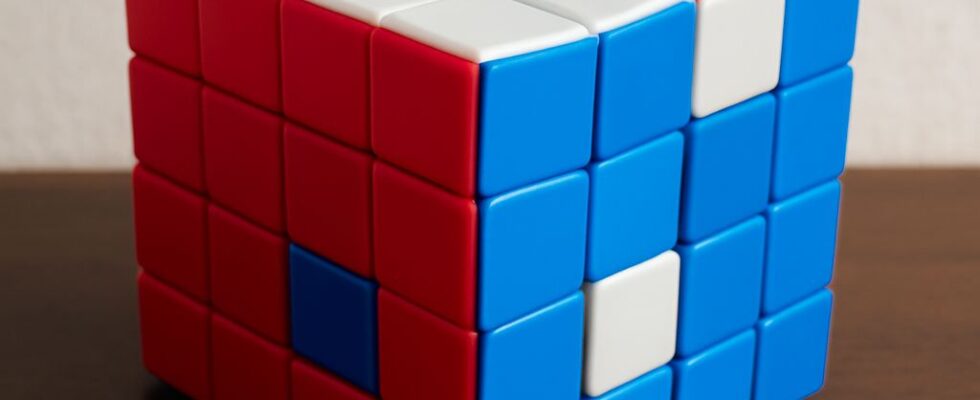
The cube pattern, particularly the intriguing “cube in a cube” design, captivates puzzle enthusiasts. Whether you’re a novice or a seasoned cuber, mastering these 3×3 patterns can enhance your skills and add an impressive visual twist to your solving repertoire. This guide will walk you through understanding and creating these patterns with ease.
Introduction to Cube Patterns
Cube patterns are sequences that transform a standard solved cube into artistic designs. These patterns are not only fun to create but also help improve your understanding of cube mechanics. The classic “cube in a cube” pattern is among the most popular, offering a visual appeal that mimics a smaller cube nested within a larger one.
Understanding the Cube in a Cube Design
The “cube in a cube” pattern gives the illusion of a smaller cube being encased within the outer layers of the cube. This pattern requires a series of algorithmic moves that rearrange the cube’s stickers to form this optical illusion. Understanding this design involves recognizing how different moves affect the cube’s orientation and sticker positions.
Step-by-Step Guide to Creating the Pattern
- Start with a solved cube: Ensure your 3×3 cube is in its solved state before beginning the pattern.
- Hold the cube correctly: Position the cube so the white face is on top and the green face is facing you.
- Execute the first algorithm: Perform the following moves: U, R, Ui, Li, U, Ri, Ui, L.
- Perform the second algorithm: With the cube still in the same orientation, execute: Ui, F, Di, Fi, U, F, D, Fi.
- Complete the pattern: Repeat the first set of moves: U, R, Ui, Li, U, Ri, Ui, L. Your cube should now display the “cube in a cube” pattern.
The success of these steps depends on precise execution. If executed correctly, the pattern will appear strikingly clear and accurate.
Tips for Perfecting Your Technique
- Practice: Repetition is key. Regular practice helps in memorizing the algorithms and improves speed.
- Understanding algorithms: Break down each move to understand its impact on the cube. This understanding aids in troubleshooting if the pattern doesn’t appear as expected.
- Use video tutorials: Visual guides can complement your learning, helping to visualize each step more clearly.
- Stay calm: Precision is crucial, so maintain composure to ensure each move is executed smoothly.
With patience and practice, the “cube in a cube” pattern will become an impressive part of your cubing routine, showcasing not only your skill but also your creativity with 3×3 patterns.