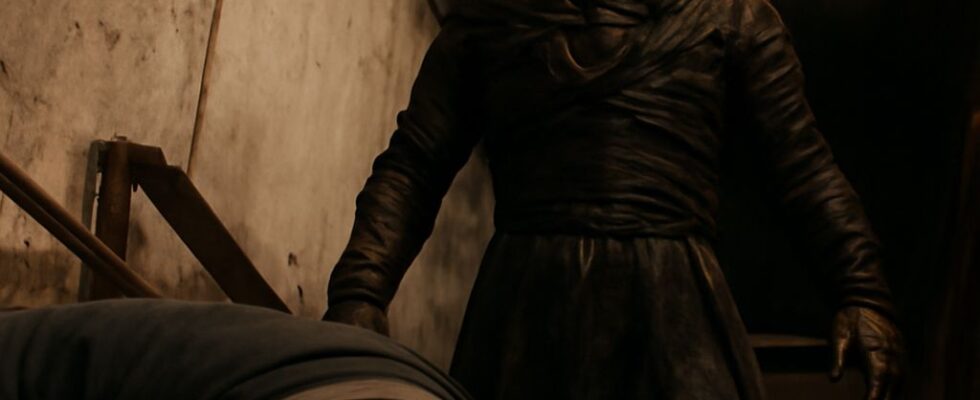
Silent Hill 2 is the strongest overall pick among the scariest games of all time, but fear is subjective. It builds psychological dread through uncertainty rather than constant attacks. Players who prefer pursuit, helplessness, body horror, or sudden shocks may find another game more frightening.
This ranked guide compares 12 of the scariest games by the interaction that creates fear: limited resources, unreliable information, forced hiding, oppressive sound design, or the threat of being watched. There is no single scariest game of all time for every player, so use the categories to match a game to your tolerance.
What Makes the Scariest Games of All Time Effective?
The most frightening horror games turn the player’s normal strengths into weaknesses. A dark corridor is more effective when the flashlight can fail, a monster is scarier when fighting is impossible, and a story becomes more disturbing when the game refuses to explain what the player is seeing.
- Psychological dread: Unclear threats, distorted spaces, and unreliable reality make players fear what might happen next.
- Survival pressure: Limited ammunition, health, batteries, or save opportunities make every decision costly.
- Helplessness and pursuit: Hiding, running, and listening replace combat, leaving the player with fewer ways to control the encounter.
- Body horror and shock: Graphic transformations and sudden attacks create immediate physical discomfort, especially when sound and camera timing conceal the threat.
The ranking favors games that make fear part of play, not merely part of the plot. A disturbing subject alone does not make a game frightening; the player must feel that the controls, rules, or presentation are actively working against them.
Scariest Games for Psychological Dread: Silent Hill 2, SOMA, Visage, and P.T.
- Silent Hill 2: Its fog, warped environments, and restrained combat create uncertainty instead of nonstop action. The radio’s bursts of static warn that something is near without reliably showing where it is, making exploration itself stressful.
- SOMA: The game’s monsters are frightening because the player cannot defeat them. Sneaking past them while managing exposure to strange biological effects creates helplessness, while its save-and-continue structure forces players to live with the consequences of what they discover.
- Visage: This haunted-house horror game uses an unstable sanity system. Staying in darkness makes the protagonist more vulnerable to disturbing events, but moving through the house requires exploring dark rooms, creating a direct conflict between safety and progress.
- P.T.: Its repeating hallway turns familiarity into a trap. Small changes in objects, lighting, and sound force players to inspect the same space repeatedly, while progression depends on noticing subtle environmental clues rather than defeating an enemy.
Choose this group if slow tension affects you more than combat. Silent Hill 2 is the best entry point for atmospheric uncertainty, SOMA for existential helplessness, Visage for sustained home-invasion dread, and P.T. for concentrated, puzzle-driven unease.
Scariest Video Games for Survival Pressure and Pursuit: Alien: Isolation, Amnesia, Outlast, and Clock Tower
- Alien: Isolation: The Xenomorph is governed by behavior that feels unpredictable, and the player must use lockers, under-table hiding, motion tracking, and crafted distractions to survive. The motion tracker helps locate danger but also makes every unexplained movement more alarming.
- Amnesia: The Dark Descent: There is no conventional combat, and darkness affects the protagonist’s sanity. Players must decide when to spend oil on visibility, when to hide, and whether investigating a noise is worth exposing themselves to a pursuing creature.
- Outlast: The camcorder is both a tool and a burden. Night vision reveals dark corridors, but batteries are limited, so players must navigate chases while choosing between seeing the route ahead and preserving the ability to see later.
- Clock Tower: Its point-and-click design makes pursuit especially tense because escape depends on finding hiding places and using the environment quickly. The Scissorman can interrupt exploration, turning ordinary cursor-based searching into a panic response.
These are among the best scariest video games for players who dislike being chased. Alien: Isolation delivers the most adaptive pursuit, Amnesia makes darkness a resource problem, Outlast emphasizes frantic movement and limited visibility, and Clock Tower shows how vulnerable a player can feel without modern action controls.
Choose Your Scariest Game of All Time by Fear Style: Dead Space, Fatal Frame II, Resident Evil 2, and F.E.A.R.
- Dead Space: Body horror becomes a gameplay rule through strategic dismemberment. Shooting limbs rather than center mass changes every fight, while damaged corpses and failing machinery make the USG Ishimura feel dangerous even when no enemy is visible.
- Fatal Frame II: Crimson Butterfly: Its camera is the weapon. Players must look directly at ghosts and wait for the right moment to photograph them, creating a powerful conflict between the need to face the threat and the instinct to look away.
- Resident Evil 2: The original and its remake use constrained inventory, backtracking, and enemies that remain threatening in familiar rooms. The Tyrant’s pursuit in the remake is particularly effective because footsteps can signal danger before the player knows its location.
- F.E.A.R.: It combines rapid firefights with supernatural interruptions. Slow motion makes combat empowering, but flickering lights, sudden apparitions, and unexplained appearances repeatedly break that confidence and restore uncertainty.
Pick Dead Space for graphic body horror and tactical combat, Fatal Frame II for forced eye contact with ghosts, Resident Evil 2 for classic survival pressure, and F.E.A.R. for the sharpest blend of action and jump-scare intensity. Players who want the least control should start with SOMA or Amnesia; players who prefer to fight back should choose Dead Space or Resident Evil 2.