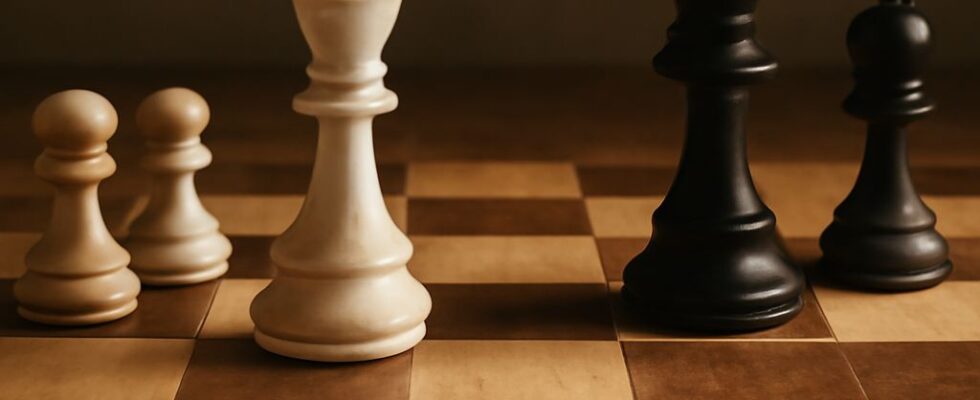
In chess, the pawn is often deemed the most modest of pieces, yet it holds pivotal potential in shaping the game’s outcome. Understanding the intricacies of pawn chess and the associated chess rules pawn can significantly enhance your gameplay. This article delves into the essential functions and strategies involving pawns, offering insights into their unique moves and strategic importance.
The Role of the Pawn in Chess
Pawns serve as the foundation of a player’s defense and can be instrumental in launching attacks. Positioned in the second rank at the start, they act as a barrier protecting more valuable pieces. As the game progresses, the pawn’s role evolves, often dictating the flow of the game. Their ability to transform into any piece through promotion adds a layer of strategic depth, making them a cornerstone of chess strategy.
Basic Pawn Moves and Rules
The movement of pawns is unique compared to other pieces. They move forward one square but capture diagonally. On their initial move, they have the option to advance two squares. This dual nature of movement and capture creates strategic opportunities and traps, demanding careful planning and execution.
Special Moves: En Passant and Promotion
Pawns have two special moves that can drastically affect gameplay: en passant and promotion. En passant occurs when a pawn advances two squares from its starting position, landing beside an opponent’s pawn. This opposing pawn can capture it as if it had moved only one square. Understanding and using en passant can be a decisive tactical maneuver.
Promotion, the second special move, happens when a pawn reaches the opponent’s back rank. It can be promoted to any other piece, except a king, typically a queen. This transformation can turn the tide of the game, making the pawn a powerful asset when handled wisely.
Strategic Importance of Pawns
Pawns are integral to controlling the board. They establish space, limit the opponent’s piece mobility, and create pathways for attacks. A well-placed pawn structure can support solid defense and facilitate offensive strategies. Mastery of pawn formations, such as chains and passed pawns, is crucial for advanced play.
Pawns also play a critical role in endgames. Their ability to promote means they can often decide the outcome of closely contested games. Understanding pawn dynamics can transform a seemingly weak position into a winning strategy, emphasizing their strategic value.